Insider · 3 min read
Pico Laser and the lit-from-within look
The laser category behind clearer tone, brighter skin, and careful pigment work.
Published July 24, 2026
There's a kind of glow people mean when they talk about skin looking lit from within. The effect is clarity: fewer uneven patches, less dullness, a smoother way of reflecting light.
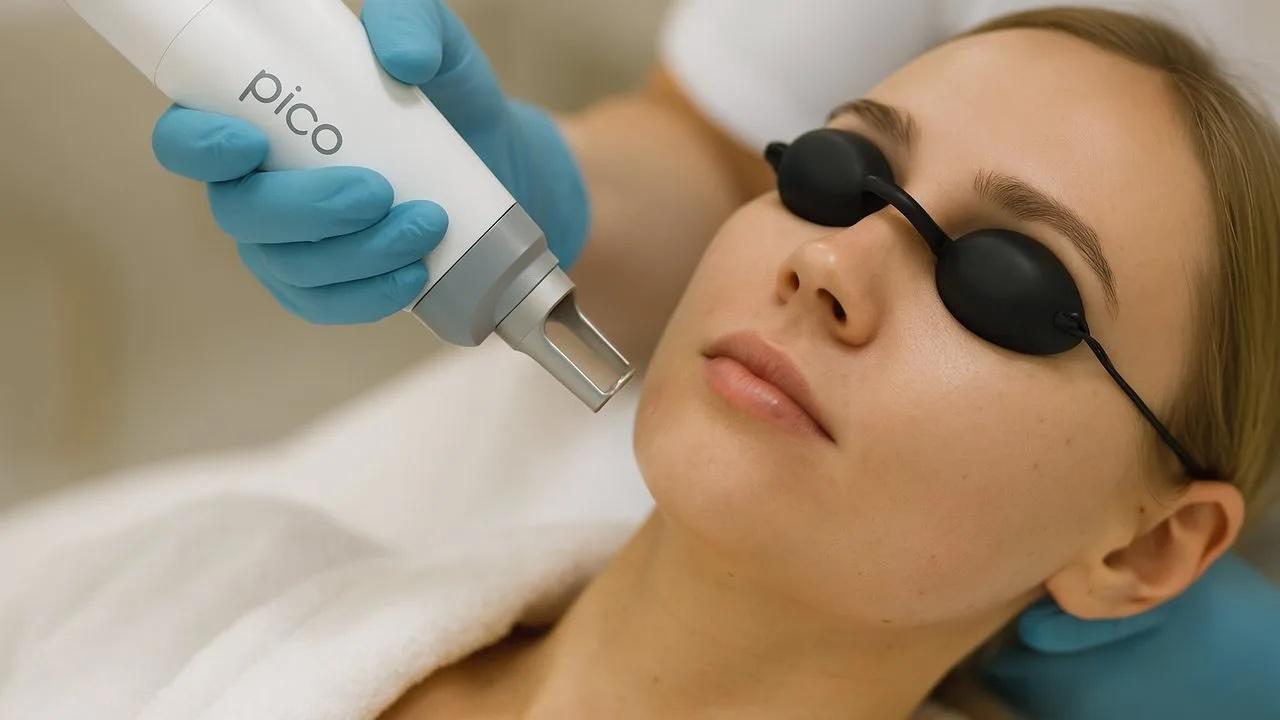
In Seoul and beyond, pico lasers are often part of that conversation. The name sounds like a brand, but pico is a unit of time. A picosecond is one trillionth of a second, and that speed changes how the laser interacts with pigment and tissue.
How pico works
Picosecond lasers deliver energy in extremely short pulses. Compared with older nanosecond platforms, the pulse duration can create more of a photomechanical effect, breaking pigment into smaller particles with less reliance on heat. That's why pico became important for tattoo removal and benign pigment, and why it's often discussed for photodamage, tone, and some forms of rejuvenation.
The clinical literature supports pico as a useful and generally safe modality across several dermatologic indications, including pigmented lesions, tattoo removal, acne scarring, and rejuvenation. The strength of the evidence varies by indication, and that distinction matters.
Two ways it's used
For pigment and tone, pico is often used in lighter repeated sessions. In Korea, pico toning is part of the brightening vocabulary: conservative passes aimed at clarity rather than a single dramatic resurfacing event.
With fractional delivery, the same category of device can create microscopic zones of repair in the skin. That approach is used more for texture, pores, fine lines, and acne-scar remodeling. It still requires the right settings, spacing, and aftercare.
The pigment caveat
Melasma deserves special caution. Pico can help some patients, but melasma is a chronic, relapse-prone pigment condition. Recent reviews show mixed results, and some analyses suggest picosecond alexandrite laser may be less effective than triple-combination topical therapy for certain melasma outcomes, with post-inflammatory hyperpigmentation still a concern.
That doesn't mean pico has no role. It means melasma should be treated conservatively, usually as part of a broader plan that includes topical care, strict sun protection, heat management, and an experienced provider. Any clinic promising to erase melasma for good is making the science sound simpler than it is.
Skin tone also changes the plan. Pico can be more forgiving than some older laser approaches, but deeper skin still needs careful settings and a provider who understands pigment risk. The device matters. The person holding it matters more.
 App Store
 Google Play