How does Daxxify work?
Daxxify works through the same core mechanism as all botulinum toxin type A products: it cleaves SNAP-25, a protein required for acetylcholine-containing vesicles to fuse with the nerve terminal membrane. Without acetylcholine release, the signal to contract never reaches the muscle, producing temporary relaxation and smoothing of the overlying skin.
What differentiates Daxxify is its stabilizing excipient. Traditional neuromodulators like Botox use human serum albumin to keep the toxin stable. Daxxify uses a proprietary synthetic peptide (RTP004)[4] that binds the toxin more securely and appears to enhance its attachment to the nerve terminal, slowing the rate at which nerve regeneration restores function.
▸
In the Phase 3 SAKURA 1 and SAKURA 2 trials, median duration of Daxxify effect was 24 weeks (6 months): with 47.7% of people maintaining a treatment response at 6 months[2] compared to 0% in the placebo group.
Daxxify is also notable for being human albumin-free, relevant for people with religious or personal objections to animal-derived proteins, or for those with sensitivities to human blood products.
What can Daxxify treat?
Daxxify is FDA-approved for one cosmetic indication: moderate to severe glabellar lines[1] (frown lines between the eyebrows) in adults. This is a narrower approval than Botox, which covers glabella, crow's feet, and forehead lines as separate indications.
Many providers use Daxxify off-label for other areas where any neuromodulator would typically be used:
- Forehead lines: off-label but commonly performed
- Crow's feet: off-label; studies underway
- Masseter reduction (jaw slimming): off-label
- Neck bands / Nefertiti lift: off-label
- Hyperhidrosis: off-label (Botox has the FDA approval here)
The extended duration of Daxxify makes it particularly attractive for people who find Botox's 3-month cycle inconvenient, or who want to reduce their annual appointment burden.
How is Daxxify different from Botox?
Both are botulinum toxin type A products that temporarily relax muscles. The primary clinical distinction is duration: Daxxify lasts approximately 6 months versus 3–4 months for Botox. This comes from Daxxify's peptide excipient, which appears to extend its binding at the neuromuscular junction.
- Duration: Daxxify ~6 months; Botox 3–4 months
- Albumin: Daxxify is albumin-free; Botox uses human albumin as stabilizer
- FDA approvals: Botox has more approved cosmetic indications (glabella, crow's feet, forehead); Daxxify only glabella
- Cost: Daxxify is typically 30–50% more expensive per treatment area
- Track record: Botox has 30+ years of cosmetic use; Daxxify approved 2022
- Onset: Daxxify may work slightly faster (1–3 days) versus 2–5 days for Botox
Cost-adjusted over a year: a twice-yearly Daxxify regimen at $600/treatment = $1,200/year versus quarterly Botox at $400/treatment = $1,600/year: making Daxxify potentially cost-competitive despite higher per-session pricing.
What does the Daxxify treatment process look like?
A Daxxify treatment is virtually identical in procedure to Botox. Here's what to expect:
Consultation: Your provider assesses the glabellar complex and discusses your goals, history, and whether your prior neuromodulator experience is relevant to dosing expectations.
Preparation: The area is cleansed. You'll be asked to frown and contract the target muscles so the injector can map injection points precisely.
Injection: Daxxify is injected at 5 points across the glabellar complex using a fine needle. The standard dose is 40 units. Total time is under 10 minutes.
Immediately after: Small bumps resolve within an hour. Avoid lying face-down or exercising strenuously for 4 hours. Do not massage the area.
Days 1–3: Initial effect may become noticeable, Daxxify's onset can be faster than traditional neuromodulators for some people.
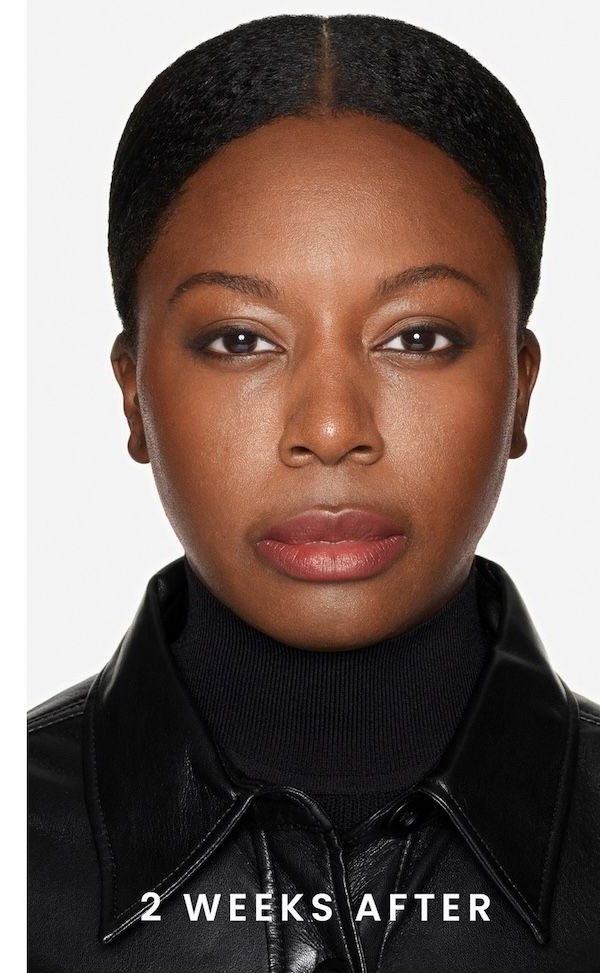
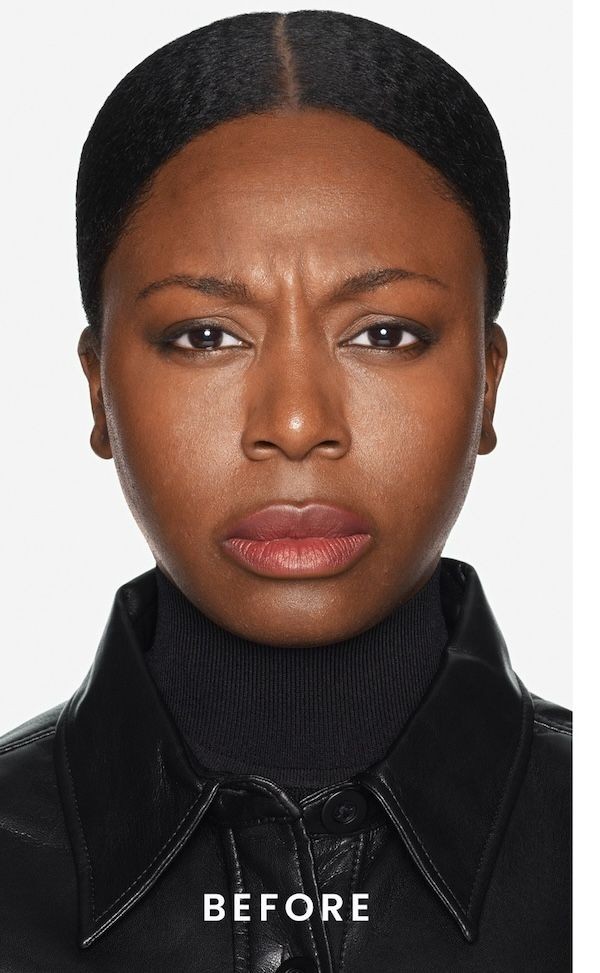
Days 7–14: Full effect visible. A 2-week follow-up assessment is standard to evaluate results and determine if touch-up units are warranted.
Who is a good candidate for Daxxify?
Daxxify is a strong choice for people who:
- Are experienced with neuromodulators and want a longer-lasting option
- Find quarterly Botox appointments inconvenient or logistically difficult
- Prefer an albumin-free formulation for personal, religious, or medical reasons
- Have moderate to severe glabellar lines
- Understand that Daxxify's extended duration means any unwanted effects (ptosis, asymmetry) will also persist longer
Daxxify may not be the right first neuromodulator for people new to injectables, the longer duration makes dose calibration more consequential. Starting with Botox to establish the right dosing for your anatomy before switching to Daxxify is a strategy many experienced injectors recommend.
▸
In SAKURA clinical trials, 74% of Daxxify-treated people achieved a 2-grade improvement in glabellar line severity[3] at maximum contraction on day 30, versus 0% in the placebo group.
Not sure if Daxxify is right for you?
Download Vera to see what to consider first, what can wait, what it may cost, and which Vera Verified providers you can book for a consult.
Download Vera
What are the risks and side effects of Daxxify?
Daxxify's safety profile in the SAKURA trials was comparable to other neuromodulators. Common side effects include:
- Injection-site reactions: Erythema, bruising, and tenderness, typically resolve within 24–72 hours
- Headache: Reported in approximately 6% of trial participants; generally mild and transient
- Eyelid ptosis: Rare (under 2% in trials); caused by toxin migration to the levator muscle. Because Daxxify lasts longer, ptosis would also persist longer than with Botox, an important risk consideration
- Facial asymmetry: Can result from uneven dosing or asymmetric muscle anatomy
- Eyebrow heaviness: Overtreatment of the frontalis can impair brow elevation
The extended duration is both a benefit and a risk factor: any side effects that do occur will also last longer than they would with Botox. This is why many providers recommend starting at conservative doses, especially for new Daxxify people.
How much does Daxxify cost?
Daxxify is priced higher per session than Botox due to its proprietary formulation and extended duration. In the US market:
- Per area (US): $400–$800 for glabellar treatment
- Annual cost (2 sessions): $800–$1,600/year for glabellar maintenance
When compared to Botox on an annual cost-of-maintenance basis, Daxxify's higher per-session cost is often offset by the fewer sessions required. A patient spending $500 per Botox session four times per year ($2,000/year) might spend $700 per Daxxify session twice per year ($1,400/year).
Daxxify's pricing varies significantly by market and injector. As of 2025, Revance has focused distribution on select aesthetic practices, not all Botox providers offer Daxxify, so availability varies by region.