
Quick Facts
| Category | Non-invasive radiofrequency skin tightening |
| Typical session | About 60 minutes |
| Downtime | Usually little to none |
| Results timing | Gradual, commonly evaluated over 2 to 6 months |
| Cost range | About $1,500 to $4,000 in the US |
| Often compared with | Ultherapy |
How does Thermage work?
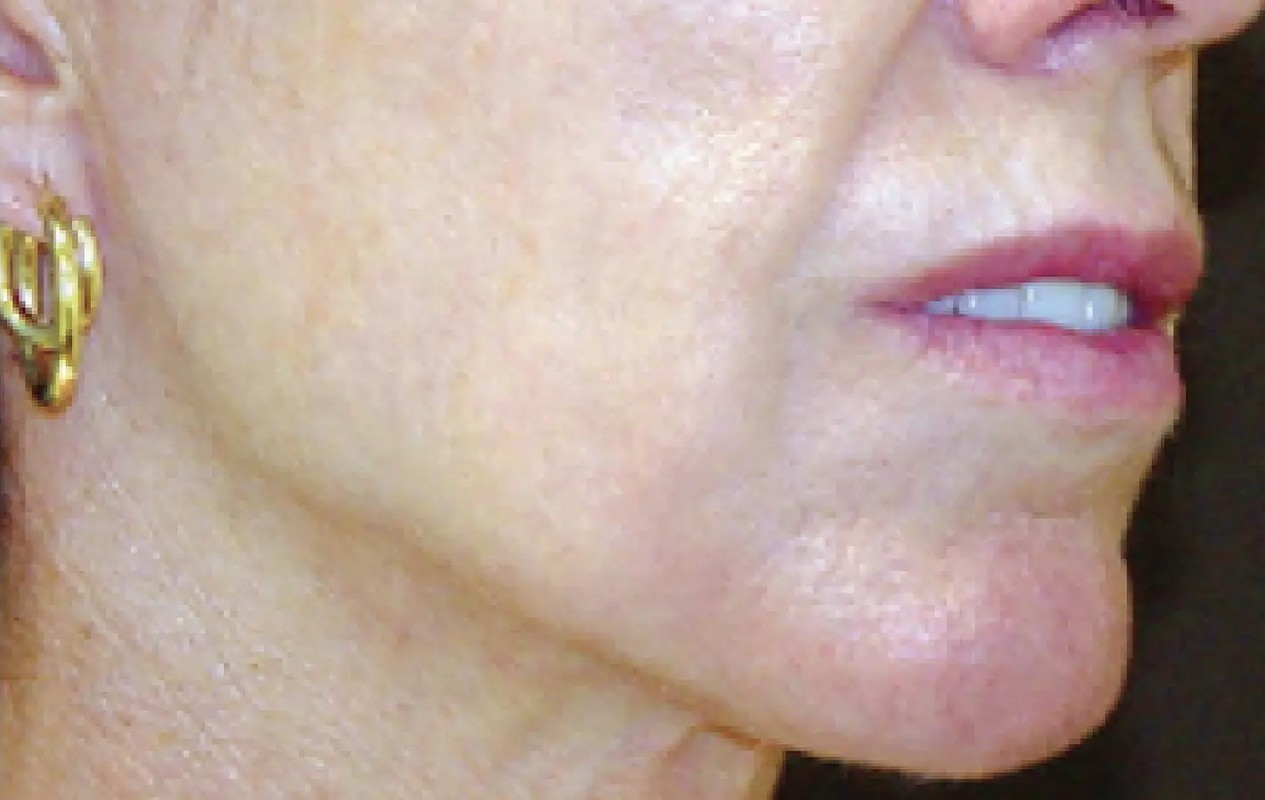
Thermage uses radiofrequency energy to heat collagen-rich layers below the skin while cooling the surface. The goal is not to add volume or resurface the skin. It is to create a controlled heat response that can make mild looseness look firmer over time.
Radiofrequency has been studied in dermatology for skin remodeling and photorejuvenation, but results depend heavily on the area treated, skin thickness, energy settings, and provider technique.[2]
FDA record: Thermage CPT System and Accessories appears in FDA 510(k) record K173759, with a decision date of January 8, 2018.[1]
Who is Thermage usually for?
Thermage is usually considered when your main concern is mild to moderate laxity, soft jawline definition, eyelid crepiness, neck laxity, or body skin looseness. It is not a substitute for surgery when tissue descent is significant.
Thermage may fit a maintenance plan when you want a non-invasive option with little social downtime. If your priority is deeper lifting, your provider may also discuss Ultherapy.
Who should avoid Thermage or get medical clearance first?
Thermage is not appropriate for everyone. The manufacturer says people should not undergo Thermage treatment if they have a cardiac pacemaker, cardioverter, defibrillator, or another electrical implant.[3]
You should also tell your provider if you are pregnant or breastfeeding, have diabetes, an autoimmune disease, cold sores or genital herpes, epilepsy, permanent makeup, tattoos, recent fillers, threads, or implants in the treatment area. Some of these situations may not be absolute contraindications, but they change the risk discussion and treatment plan.
What is recovery like after Thermage?
Recovery is usually straightforward. Temporary redness, swelling, warmth, tingling, tenderness, or sensitivity can happen after treatment. Most people return to normal activities quickly.
Thermage is still an energy-based device, so technique matters. Official safety information lists infrequent risks such as burns, blistering, scabbing, scarring, surface irregularities, temporary numbness or tingling, nodules, and temporary skin darkening.[3]
Practical planning: Thermage usually has little to no planned downtime, but you should still plan around short-term redness or tenderness.
How does Thermage compare with Ultherapy?
Thermage and Ultherapy both address laxity without incisions, but they use different energy. Thermage uses radiofrequency. Ultherapy uses microfocused ultrasound and real-time ultrasound imaging.
| Factor | Thermage | Ultherapy |
|---|---|---|
| Energy | Radiofrequency | Microfocused ultrasound |
| Common role | Broad tightening and smoothing | Focused lifting in brow, chin, and neck areas |
| Downtime | Usually little to none | Usually little to none |
| Comfort | Often discussed as more tolerable | Often more uncomfortable at deeper points |
| Decision path | Useful when skin quality and mild laxity are primary | Useful when structural lift is the priority |
What do people ask most about Thermage?
Is Thermage worth it?
Can Thermage replace a facelift?
How often should you do Thermage?
Does Thermage hurt?
Can you do Thermage if you have a pacemaker?
Where could Thermage fit in your plan?
Vera helps you compare tightening, resurfacing, and collagen-support treatments by goal, recovery time, budget, and provider fit.
Download VeraWhat sources were used for this guide?
- FDA 510(k) Premarket Notification K173759, Thermage CPT System and Accessories. FDA database.
- Elsaie ML. Cutaneous remodeling and photorejuvenation using radiofrequency devices. Indian Journal of Dermatology. 2009. PMID: 20161847. PubMed.
- Thermage System Indications and Important Safety Information. Thermage.
- FDA MAUDE adverse event report for Thermage CPT System Tip, noting known potential patient reactions. FDA MAUDE.